
Understanding gambling addiction Signs, effects, and pathways to recovery
What is Gambling Addiction?
Gambling addiction, often referred to as compulsive gambling or pathological gambling, is a behavioral disorder characterized by an uncontrollable urge to gamble despite the negative consequences. Individuals struggling with this addiction may find it difficult to resist the temptation of wagering money on games of chance, leading to significant personal and financial distress. This condition can affect anyone, regardless of age, gender, or socioeconomic background, often escalating from casual gambling to a harmful compulsion.
The progression of gambling addiction typically begins innocently, with individuals enjoying recreational gambling activities. However, as the thrill of winning becomes an obsession, it can lead to an increased risk of high-stakes gambling, making losses harder to bear. The addict’s focus shifts from the social aspects of gambling to the activity itself, often leading to isolation from friends and family, and deteriorating relationships.
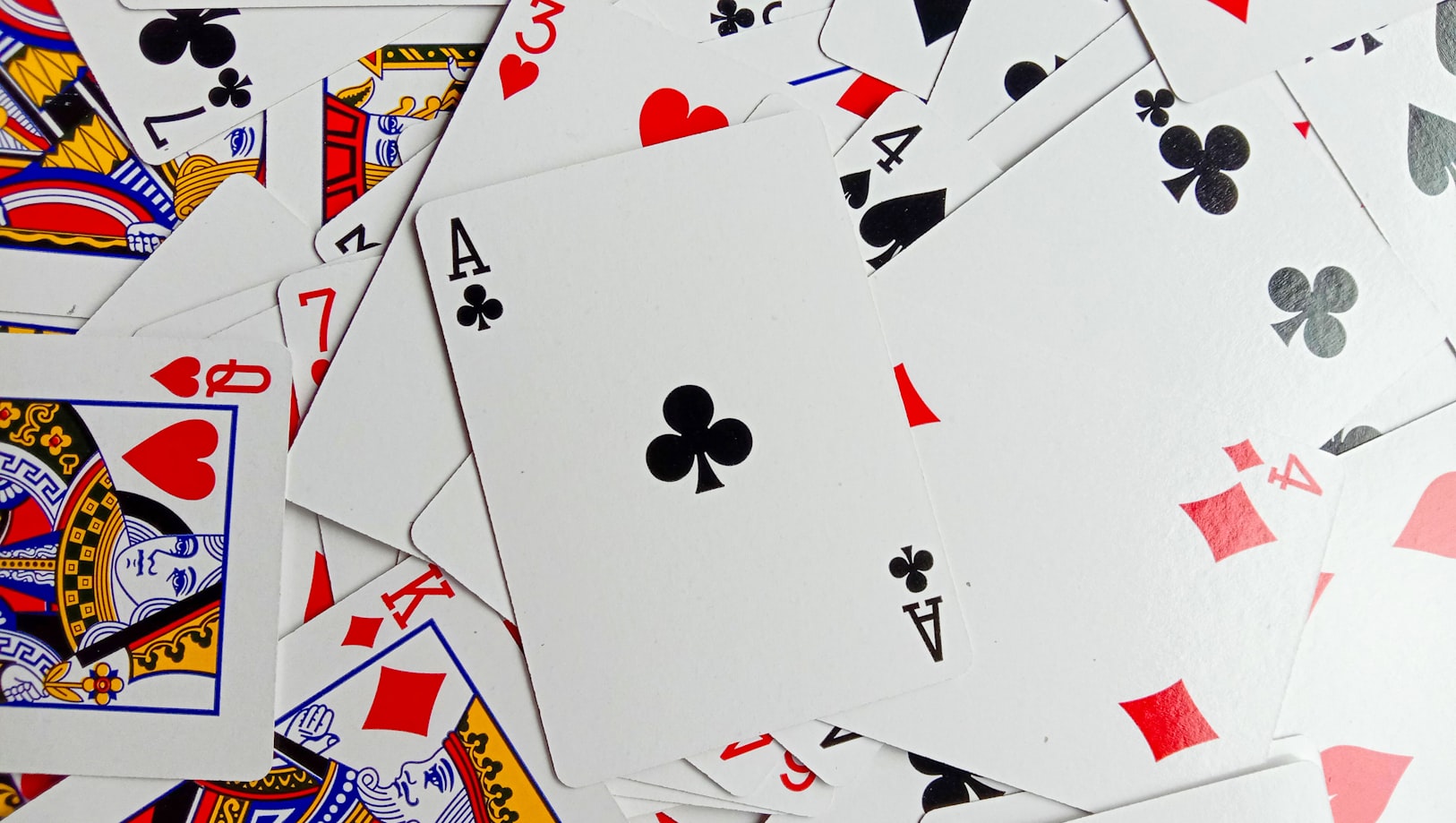
Recognizing gambling addiction is essential for timely intervention. It often manifests through various signs, such as preoccupation with gambling, a need to bet larger amounts to experience excitement, or lying about gambling behaviors to hide the extent of involvement. Awareness of these signs can empower individuals to seek help or encourage loved ones to address their gambling behaviors.
Signs of Gambling Addiction
Identifying the signs of gambling addiction is crucial for both the individual and their loved ones. Common indicators include frequent thoughts about gambling, chasing losses, and neglecting responsibilities. An individual may find themselves unable to stop gambling despite repeated attempts to quit, often leading to escalating financial problems, emotional distress, and even legal issues. Other signs include borrowing money to fund gambling activities and withdrawing from social engagements.
Financial instability is often a glaring sign of gambling addiction. Individuals may deplete savings, accumulate debt, or resort to illegal activities to fund their gambling habits. Emotional signs can also be prevalent; individuals may exhibit anxiety, depression, or irritability when they cannot gamble. The need for immediate gratification, often seen in compulsive gamblers, can further complicate their emotional and financial well-being.
Another telling sign is the risk of developing co-occurring disorders, such as substance abuse or mood disorders. Many individuals with gambling addiction might turn to alcohol or drugs as a coping mechanism. This correlation highlights the importance of addressing not only the gambling addiction itself but also any underlying mental health issues that may exacerbate the problem.
Effects of Gambling Addiction
The effects of gambling addiction can be profoundly damaging, impacting various facets of an individual’s life. Financial ruin is often the most immediate consequence, leading to bankruptcy, loss of assets, and strained relationships with family and friends. Many individuals experience a deterioration in their quality of life, struggling to maintain employment or fulfill daily responsibilities due to their gambling activities.
Social isolation often ensues as individuals withdraw from social engagements, driven by shame or the need to conceal their gambling habits. This isolation can lead to feelings of loneliness and depression, further complicating the individual’s mental health state. The stress on personal relationships can be severe, leading to conflicts with loved ones and, in some cases, divorce or separation.
Physical health can also be impacted by gambling addiction. The stress associated with financial problems, coupled with the emotional turmoil, can lead to sleep disorders, gastrointestinal issues, and other stress-related ailments. The cycle of gambling, debt, and emotional distress can create a vicious loop, making recovery seem daunting and unattainable.
Pathways to Recovery
Recovery from gambling addiction is a multifaceted process that typically involves a combination of therapy, support groups, and lifestyle changes. Cognitive-behavioral therapy (CBT) has proven effective in helping individuals recognize and change harmful thought patterns associated with gambling. Through therapy, individuals can learn coping strategies to manage urges and prevent relapse, creating a strong foundation for recovery.
Support groups, such as Gamblers Anonymous, provide a community of individuals facing similar challenges. These groups offer a safe space for sharing experiences and gaining insights from others who have successfully navigated their own recovery journeys. The sense of accountability and community can be empowering, helping individuals feel less isolated in their struggles.
In addition to therapeutic interventions, lifestyle changes are crucial for recovery. This may involve finding new hobbies, building a support network, and addressing any underlying mental health issues. Establishing healthy coping mechanisms can help individuals navigate triggers and avoid the pitfalls of returning to gambling. Recovery is often a lifelong journey, requiring ongoing commitment and support.
About Shikaka Casino
stands as a premier online gaming platform, offering a diverse range of over 10,240 games. With a focus on user security, it employs 256-bit SSL encryption to ensure the protection of personal data and financial transactions. Players can enjoy a seamless experience with a mobile-optimized interface and 24/7 customer support, making it a favored choice for online gamers.
The casino also promotes responsible gaming, providing resources and tools to help players manage their gaming activities. Understanding the signs of gambling addiction is critical, and is dedicated to fostering a safe environment where players can enjoy their gaming experience responsibly. By offering generous bonuses and promotions, it encourages responsible gambling practices among its users.